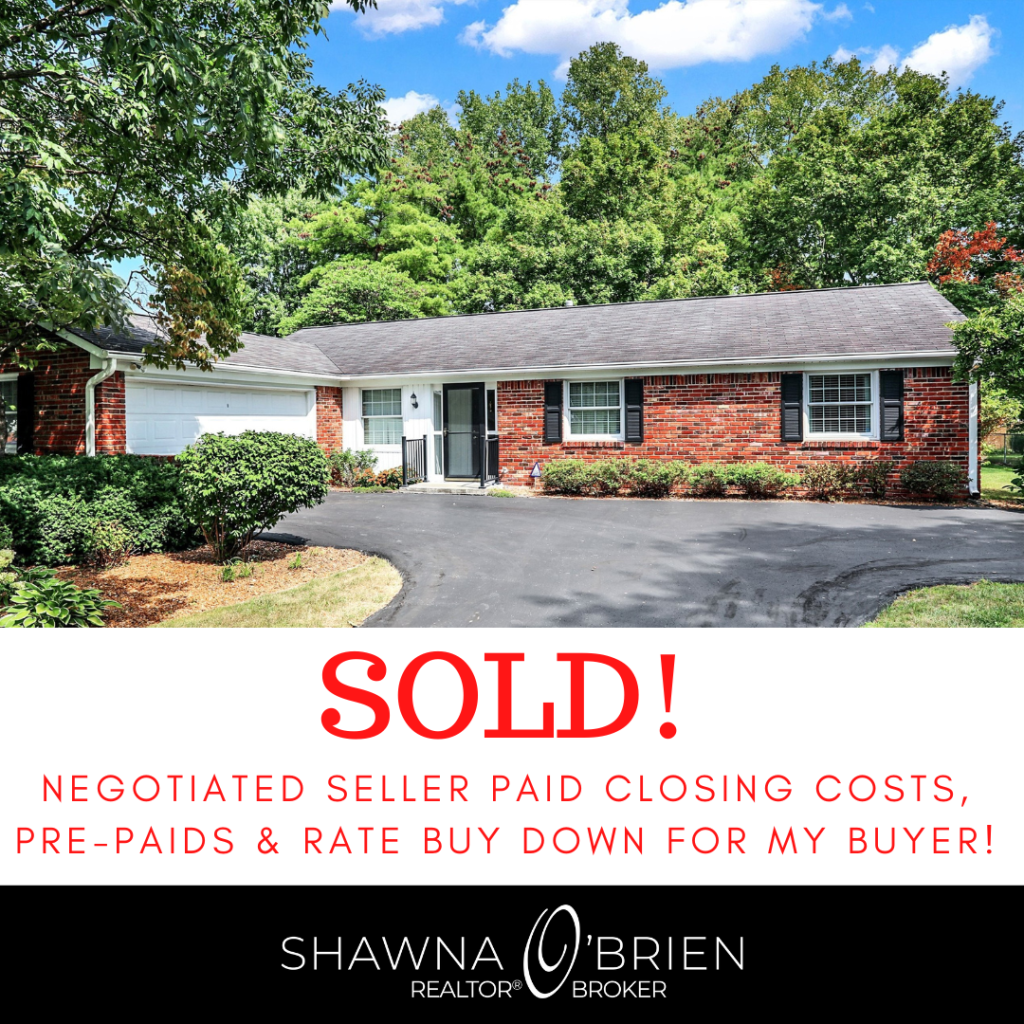
My Buyer & I kissed a lot of frogs before finding this amazing home. Here’s a tip buyers: Don’t rely on listing photos of homes on the market. You need boots on ground. Thank goodness my buyer was patient because I can’t imagine a better home for him.
The monthly payment was a key element in finding the right house with the right purchase price and I was able to negotiated the max amount allowed for closing cost assistance. This provided an interest rate TWO POINTS lower then the current interest rate and secured a payment (and purchase price) that fit his budget.
My buyer is thrilled he has a home to entertain family and friends just in time for the Holidays!
When it comes to selling your house, you’re probably trying to juggle the current market conditions and your own needs as you plan your move.
One thing that may be working in your favor is how few homes there are for sale right now. Here’s what you need to know about the current inventory situation and what it means for you.
The Supply of Homes for Sale Is Far Below the Norm
When you’re selling something, it helps if what you’re selling is in demand, but is also in low supply. Why? That makes it even more desirable since there’s not enough to go around. That’s exactly what’s happening in the housing market today. There are more buyers looking to buy than there are homes for sale.
To tell the story of just how low inventory is, here’s the latest information on active listings, or homes available for sale. The graph below uses data from Realtor.com to show how many active listings there were in September of this year compared to what’s more typical in the market.
As you can see in the graph, if you look at the last normal years for the market (shown in the blue bars) versus the latest numbers for this year (shown in the red bar), it’s clear inventory is still far lower than the norm.
What That Means for You
Buyers have fewer choices now than they did in more typical years. And that’s why you could still see some great perks if you sell today. Because there aren’t enough homes to go around, homes that are priced right are still selling fast and the average seller is getting multiple offers from eager buyers. Based on the latest data from the Confidence Index from the National Association of Realtors (NAR):
69% of homes sold in less than a month.
2.6 offers: the average number of offers on recently sold homes.
An article from Realtor.com also explains how the limited number of houses for sale benefits you if you’re selling:
“. . . homes spent two weeks less on the market this past month than they did in the average September from 2017 to 2019 . . . as still-limited supply spurs homebuyers to act quickly . . .”
Bottom Line
Because the supply of homes for sale is so low, buyers desperately want more options – and your house may be just what they’re looking for. Let’s connect to get your house listed at the right price for today’s market. You could still see it sell quickly and potentially get multiple offers.
Shawna O’Brien Keller Williams Portfolio 317-506-0039 ShawnaOBrienRealtor@gmail.com
Mortgage rates have been back on the rise recently and that’s getting a lot of attention from the press. If you’ve been following the headlines, you may have even seen rates recently reached their highest level in over two decades (see graph below):
That can feel like a little bit of a gut punch if you’re thinking about making a move. If you’re wondering whether or not you should delay your plans, here’s what you really need to know.
How Higher Mortgage Rates Impact You
There’s no denying mortgage rates are higher right now than they were in recent years. And, when rates are up, that affects overall home affordability. It works like this. The higher the rate, the more expensive it is to borrow money when you buy a home. That’s because, as rates trend up, your monthly mortgage payment for your future home loan also increases.
Urban Instituteexplains how this is impacting buyers and sellers right now:
“When mortgage rates go up, monthly housing payments on new purchases also increase. For potential buyers, increased monthly payments can reduce the share of available affordable homes . . . Additionally, higher interest rates mean fewer homes on the market, as existing homeowners have an incentive to hold on to their home to keep their low interest rate.”
Basically, some people are deciding to put their plans on hold because of where mortgage rates are right now.But what you want to know is: is that a good strategy?
Where Will Mortgage Rates Go from Here?
If you’re eager for mortgage rates to drop, you’re not alone. A lot of people are waiting for that to happen. But here’s the thing. No one knows when it will. Even the experts can’t say with certainty what’s going to happen next.
Forecasts project rates will fall in the months ahead, but what the latest data says is that rates have been climbing lately. This disconnect shows just how tricky mortgage rates are to project.
The best advice for your move is this: don’t try to control what you can’t control. This includes trying to time the market or guess what the future holds for mortgage rates. As CBS Newsstates:
“If you’re in the market for a new home, experts typically recommend focusing your search on the right home purchase — not the interest rate environment.”
Instead, work on building a team of skilled professionals, including a trusted lender and real estate agent, who can explain what’s happening in the market and what it means for you. If you need to move because you’re changing jobs, want to be closer to family, or are in the middle of another big life change, the right team can help you achieve your goal, even now.
Bottom Line
The best advice for your move is: don’t try to control what you can’t control – especially mortgage rates. Even the experts can’t say for certain where they’ll go from here. Instead, focus on building a team of trusted professionals who can keep you informed. When you’re ready to get the process started, let’s connect.
Shawna O’Brien Keller Williams Portfolio 317-506-0039 ShawnaOBrienRealtor@gmail.com
Are you thinking about selling your house as a For Sale by Owner (FSBO)? If so, know there’s a whole lot more time and expertise needed in that process than you might think. While the idea of doing it all by yourself might seem tempting, it’s important to recognize the challenges you may face if you take it on all by yourself. As a recent article from Bankrateexplains:
“Choosing the right price, crafting a compelling listing, marketing to potential buyers, coordinating showings, preparing paperwork: All of these are tasks that, in the absence of a real estate agent, you will have to do yourself.”
Here’s a bit more information on just a few of those things and how you may miss out if you don’t use an agent.
You May Not Price it Right
Pricing your house right is key to a successful sale. Real estate agents have experience navigating this housing market and understand the art of pricing a home to sell today. Unfortunately, homeowners who sell on their own often lack this all-important experience. That can lead to two common consequences: overpricing or underpricing the house.
“If your home is overpriced, you run the risk of buyers not seeing the listing. . . . But price your house too low and you could end up leaving some serious money on the table. A bargain-basement price could also turn some buyers away, as they may wonder if there are any underlying problems with the house.”
Don’t run this risk. Instead, partner with an agent to make sure your house is priced at current market value, so it catches the eyes of eager buyers. This will put your house in a position to make the best first impression possible.
You Don’t Have as Much Experience in Marketing a House
In this digital age, online marketing has become a real game-changer, especially when it comes to selling your house. A recent report from the National Association of Realtors (NAR), explains:
“Among all generations of home buyers, the first step taken in the home search process was to look online for properties.”
When you partner with a real estate agent who knows how to take advantage of online marketing tools and resources, you’ll be able to get in front of these tech-savvy house hunters, boosting your chances of a successful sale. But, if you’re attempting to sell your house on your own, you might find yourself missing out on the full power of online and social media strategies.
You May Not Be Comfortable Handling All the Back-and-Forth
When you decide to sell your house, you’re not just on a quest to find a buyer; you’re also stepping into a world of negotiations. You’ll have to coordinate with a bunch of people, including the buyer, the buyer’s agent, the inspection company, the appraiser, and more. It’s a dance where every move counts, and the expertise of a real estate agent can make a world of difference in keeping these negotiations on track and sealing the deal.
“Your listing agent will also, of course, be on your side throughout negotiations. They’ll double-check paperwork that comes through, communicate with the buyer’s agent and other parties to the sale, and generally stay on top of things through to closing day.”
Bottom Line
If you’re thinking about selling your house and the idea of going it alone has crossed your mind, be sure to think through that decision carefully. Let’s connect to discuss how a real estate agent has the experience needed to take all that stress off your plate.
Shawna O’Brien Keller Williams Portfolio 317-506-0039 ShawnaOBrienRealtor@gmail.com
10/12/2023 – Tjdaniels94 Sold a Single Family home in 2023 in Fortville, IN..
Local knowledge: ***** Process expertise: ***** Responsiveness: ***** Negotiation skills: *****
Shawna did a fabulous job helping us sell our home. She’s a great communicator and a great resource for questions about real estate highly recommend her for your real estate needs.
Changes in the air bring new challenges for homeowners. Whether your local fall climate is summer with a hint of rain or an early arctic blast, you’ll want to be ready when the first cold snap arrives! By spending a pleasant autumn afternoon on home maintenance, you can stay warm inside without worry throughout the cooler seasons. Here’s a helpful list of things to do before you settle in for pumpkin spice and college football.
Autumn preparations you can make.
Trim trees, bushes, and other foliage. After growing freely in the spring and summer, the branches of trees and shrubs can pose a variety of risks to your roof, siding, and gutters. Cutting lengthy branches will reduce places for wildlife to hide close to your house and limit the risk of falling debris.
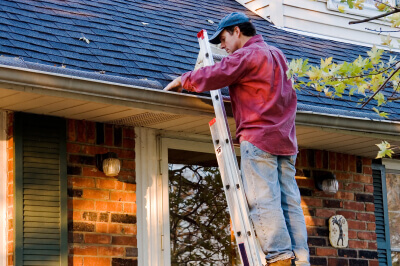
Clean out your gutters. Leaves and other waste can block water, causing build up that may damage your roof, foundation, and basement. While not the most fun activity, taking time to complete this task can save you significant problems down the road.
Maintain and put away seasonal equipment. As summer lawn care comes to an end and autumn takes over, now is the time to prepare some tools for storage and ready other equipment for the work to come. In certain areas you may be putting the lawnmower away and getting the snowblower ready. In other parts of the country, you may need to make sure the leaf vac is in good repair.
Test smoke and carbon monoxide detectors. It’s shocking, but with over 400 Americans dying from carbon monoxide poisoning each year, using the change of seasons as a reminder to check your smoke and carbon monoxide detectors should be a top priority. It’s a good time to change the batteries in battery-powered devices, too.
Review your home’s weatherproofing. Weather stripping around doors and windows can help you save money no matter if your fall climate is hot or cold. The Department of Energy estimates homeowners can save up to 20% on energy costs each year by reducing drafts. Your local utility may offer home energy saving suggestions.
Give your home a good once-over. After finishing your basic checklist, inspect your home inside and out. Make note of any repairs needed now or in the future to keep your property pristine.
Expert advice may apply.
Get a roof inspection. Your roof is the most important defense against the weather. Rain or shine, snow or wind, fixing issues like cracks and holes will make the fall (and coming winter) more pleasant indoors. A professional inspection will tell you what needs to be done.
Have your fireplace and chimneys inspected. With cold nights quickly approaching, it can be critical to get your chimney inspected and have creosote build-up cleaned. Did you know over 20,000 fires are caused by chimneys each year? By hiring an experienced chimney sweep, you can make sure your first night around the fireplace doesn’t end in a fireball!
Check your furnace, boiler, or other home heating units. Whether you are turning the heat on now or waiting a few months, having a trusted technician inspect your system will both save you money and keep your house comfortable all season long.
Weatherize your water pipes. While the weather is still warm, now is the time to make sure your pipes won’t freeze once the first taste of winter hits. Depending on the location of your pipes, this could be either a DIY task, or one where professional help is a must.
The housing market is affected by many factors, from the economy to interest rates to local supply and demand. But did you know that the time of year can influence the final sale price of a home?
Believe it or not, home prices vary by the season. So when is the best time of year to buy a house? Here’s how the housing market changes during the course of the year.
Spring Home-Buying Season
The spring and summer months tend to be a seller’s market. Spring, especially, is a hot selling season due to the pent-up demand from the winter months. Additionally, the warmer weather often encourages home buyers to start their house hunt, and the budding flowers and trees add curb appeal to homes entering the market.
As a homebuyer, you’ll need to have a strong offer at the ready; that means more than just having enough money to cover the purchase price and closing costs. Many sellers won’t even consider an offer unless you have a pre-approval letter from a trustworthy lender. Even then, you may find yourself in a bidding war due to higher demand.
On the other hand, spring brings an increase in available homes, which can give buyers more choices. According to the National Association of Realtors, the number of homes jumped from 850,000 to 930,000 between February and March of 2021, reaching 1.15 million by May.
Summer Home-Buying Season
In many ways, the summer months are a continuation of the spring. Buyers can expect a higher number of homes for sale, though they’ll also face strong competition with others looking to buy a home between June and August.
But there’s an upside to buying a home during the summer. Many of the homes on the market are left over from spring, and sellers may be eager to close on their homes before September rolls around and the school year begins. Therefore, if you can wait until August, you may be able to find a motivated seller who is willing to offer you a reduced sales price.
These summer trends are also climate-dependent. The sweltering heat of places like Florida or Texas can discourage buyers from shopping in earnest, so you may discover that your local market is more or less affected by summer, depending on your distance from the equator.
Fall Home-Buying Season
Fall is very much a buyer’s market and can potentially be your best time to shop. Once summer ends, sellers can be motivated to sell their homes, especially if they want to use them as a tax write-offs before the end of the year.
Doesn’t that mean you’ll face less selection? Yes, it’s possible, depending on your region. However, the National Association of Realtors (NAR) reports that in 2021, there were more homes available between September and November (1.2 million, on average) than between March and May (1.1 million). Consequently, fall might actually be your prime buying season.
When is the best time to buy a home during the fall? Data from the NAR shows that in 2021, housing prices dropped from $361,500 in August to $355,100 in September. This makes September your optimal choice, though prices only increase by a few hundred dollars during October and November.
Winter Home-Buying Season
Winter can be an unusual time to buy a home, especially since the calendar year changes in January.
On the one hand, many sellers suspend their listings between Thanksgiving and the New Year, believing that buyers are too scarce. But the sellers who continue to list may be particularly motivated to sell their homes prior to January, which may give you an edge.
However, there are some challenges to buying a house in winter. If you live in a cold climate, snowstorms can interfere with your ability to visit various properties and can also make it difficult for home inspectors to examine roofs and other structures.
Furthermore, once January hits, sellers may no longer be quite as motivated to sell their homes and may prefer to wait a few months until the seller’s market in the spring.
Buying a home early in the winter can help you save, but you may face challenges the longer you wait.
Tips for When to Buy a House
Real estate markets fluctuate by season, but there are other personal and economic factors to consider when buying a home. Here are some tips that can guide you through the process.
Are You Ready to Buy a House?
When is the best time to buy a house? When you’re ready. To that end, make sure you consider such factors as:
Having enough savings for a down payment and closing costs
Improving your credit score to secure favorable interest rates
Plan to keep the same job through the buying process
Paying off any outstanding debt
If your credit score is low or you carry a lot of household debt, it may be wise to work on these issues before starting your home search. A low credit score or high debt-to-income ratio can jeopardize your chances at favorable mortgage terms and leave you stuck with higher mortgage rates.
What Are the Current Market Conditions?
Before you start shopping, take a look at the following key metrics:
Average home price in your area
Current mortgage rates
The supply of homes in your area
For example, when the U.S. Federal Reserve raised interest rates in 2022, mortgage rates went up nationwide. With the economy beginning to stabilize, home buyers are now able to re-enter the market and obtain homes with affordable rates and terms.
What Is the Local Inventory?
Research the number and type of available homes in your area or the area you want to move to. A large inventory of homes will give you more options and will also prevent you from having to compete with other buyers.
As you’ve seen, housing supply can be affected by the calendar year. Don’t get discouraged if you can’t find your dream home in February. By May or June, you may find a home that fits your needs. If you hold out until fall, you could even find the deal of a lifetime.
How to Get a Mortgage Pre-Approval
Getting pre-approved for a mortgage will give you a clear picture of your purchasing budget and give your offer more weight in sellers’ eyes. During the pre-approval process, you’ll submit some basic financial information and submit to a credit check.
Once approved, you’ll receive a pre-approval letter that outlines the basics of your prospective loan. Just be aware that no loan is official until you receive final approval from your lender.
The “Perfect” Time to Buy a House
Ultimately, there’s no single best time to buy a house. But if you understand your needs and the state of the market, you can time your purchase to your advantage. For more assistance with the pre-approval process, contact me today.









 Indianapolis Area Homes for Sale