8/25/2024 – noahschram52 Bought a Single Family home in 2024 in Fishers, IN.
Local knowledge: ***** Process expertise: ***** Responsiveness: ***** Negotiation skills: *****
“As a first time home buyer Shawna was the perfect realtor. She patiently taught us everything we needed to learn through this new experience for us. She showed us the ropes and led us through potential homes while learning what we do and don’t like. Then once we were ready, she made sure we saw everything and anything that could be our future home! She had wonderful communication and was such a joy to be around. When it came time to make an offer, she was there every step of the way and made sure that we were the most appealing offer to our buyers. Shawna was a perfect realtor and we will be using her on any buying or selling houses! We can’t recommend her highly enough!!! “
8/23/2024 – justin dickey Bought & Sold a Single Family home in 2024 in Greenfield, IN.
Local knowledge: ***** Process expertise: ***** Responsiveness: ***** Negotiation skills: *****
“Shawna was extremely helpful, responsive, and knowledgeable. She quickly answered any and every question we had. Working with her definitely made the process of buying and selling a home a pleasant experience!”
In today’s housing market, many sellers are making a critical mistake: overpricing their houses. This common error can lead to a home sitting on the market for a long time without any offers. And when that happens, the homeowner may have to drop their asking price to try to re-ignite buyer interest.
Data from Realtor.com shows the number of homeowners realizing this mistake and doing a price reduction is climbing (see graph below):
If you’re thinking about making a move yourself, here’s what you need to know. The best way to avoid making a costly mistake is to work with a trusted real estate agent to find the right price. Here’s a look at what’s at stake if you don’t.
Not Paying Attention To Current Market Conditions
Understanding current market conditions is key to accurate pricing. You don’t want to set your asking price based on what happened during the pandemic. The market has moderated a lot since then, so it’s far better to align your price with today’s reality.
Real estate agents stay updated on market trends and how they impact the pricing strategy for your house.
Pricing It Based on What You Want To Make (Not What It’s Worth)
Another misstep is pricing it based on what you want to make on the sale, and not necessarily current market value. You may see other homes in your neighborhood selling for top dollar and assume yours can do the same. But you may not be considering differences in size, condition, and features. For example, maybe that other house is waterfront or has a finished basement. To sum it up, Bankrate explains:
“How do you find that sweet spot of pricing for profit but not overpricing? The expertise of your agent can be truly valuable here. A knowledgeable agent will understand fair market value in your area, how much your house is worth and how much you might reasonably expect to get for it in the current market.”
An agent will do a comparative market analysis (CMA) to make sure your house is compared with truly similar properties to get an accurate look at how it should be priced.
Pricing High to Leave Room for Negotiation
Another common, yet misguided strategy is to price your house high on purpose, so you have more room to negotiate down during the sale. But this can backfire. A price that seems too high often deters potential buyers from even considering the home. So rather than leaving room for negotiation, what you’ll actually be doing is turning buyers away. U.S. News Real Estate explains:
“You want to sell your house for top dollar, but be realistic about the value of the property and how buyers will see it. If you’ve overpriced your home, chances are you’ll eventually need to lower the number, but the peak period of activity that a new listing experiences is already gone.”
An agent can help you set a fair price that attracts buyers and encourages more competitive offers.
Bottom Line
Overpricing your home can have serious consequences. A knowledgeable real estate agent (like me) brings an objective perspective, in-depth market knowledge, and a strategic approach to pricing.
If you’re thinking about buying or selling a home, you’ve probably got mortgage rates on your mind. That’s because you’ve likely heard that mortgage rates impact how much you can afford in your monthly mortgage payment, and you want to factor that into your planning. Here’s what you need to know.
What’s Happening with Mortgage Rates?
Mortgage rates have been trending down recently. While that’s good news for your homebuying plans, it’s important to know that rates can be unpredictable because they’re affected by many factors.
Things like the economy, job market, inflation, and decisions made by the Federal Reserve all play a part. So, even as rates go down, they can still bounce around a bit based on new economic data. As Odeta Kushi, Deputy Chief Economist at First American, says:
“The ongoing deceleration in inflation, coupled with the Federal Reserve’s recent indication of potential rate cuts [in 2024], suggests an environment supportive of modest declines in mortgage rates. Barring any unforeseen circumstances and resurgence in inflation, lower mortgage rates could be on the horizon, but the journey towards them might be slow and bumpy.”
How Do These Changes Affect You?
When mortgage rates change, it affects how much you pay each month for your home loan. Even a small rate change can make a big difference to your monthly bill.
Take a look at the chart below to see how different mortgage rates impact your house payment each month for various loan amounts. Imagine you can afford a monthly payment of $2,600 for your home loan. The green part in the chart shows payments in that range or lower based on varying mortgage rates (see chart below):
Understanding how mortgage rates impact your payment helps you make better decisions.
How Can You Keep Track of the Latest on Rates?
Real estate agents have the expertise to help you understand what’s happening and what it means for you. They can provide tools and visuals, like the chart above, to show how rate changes impact your buying power.
You don’t need to be a mortgage expert; you just need a professional by your side. Someone who can help you make sense of the market and guide you through your homebuying or selling journey.
Bottom Line
If you have questions about the housing market, reach out me. I can help you understand what’s going on and how to navigate it.
When you’re thinking about buying a home, your credit score is one of the biggest pieces of the puzzle. Think of it like your financial report card that lenders look at when trying to figure out if you qualify, and which home loan will work best for you. As the Mortgage Report says:
“Good credit scores communicate to lenders that you have a track record for properly managing your debts. For this reason, the higher your score, the better your chances of qualifying for a mortgage.”
The trouble is most buyers overestimate the minimum credit score they need to buy a home. According to a report from Fannie Mae, only 32% of consumers have a good idea of what lenders require. That means nearly 2 out of every 3 people don’t.
So, here’s a general ballpark to give you a rough idea. Experian says:
“The minimum credit score needed to buy a house can range from 500 to 700, but will ultimately depend on the type of mortgage loan you’re applying for and your lender. Most lenders require a minimum credit score of 620 to buy a house with a conventional mortgage.”
Basically, it varies. So, even if your credit isn’t perfect, there are still options out there. FICO explains:
“While many lenders use credit scores like FICO Scores to help them make lending decisions, each lender has its own strategy, including the level of risk it finds acceptable. There is no single “cutoff score” used by all lenders, and there are many additional factors that lenders may use . . .”
And if your credit score needs a little TLC, don’t worry—Experian says there are some easy steps you can take to give it a boost, including:
1. Pay Your Bills on Time
Lenders want to see that you can reliably pay your bills on time. This includes everything from credit cards to utilities and cell phone bills. Consistent, on-time payments show you’re a responsible borrower.
2. Pay Off Outstanding Debt
Paying down what you owe can help lower your overall debt and make you less of a risk to lenders. Plus, it improves your credit utilization ratio (how much credit you’re using compared to your total limit). A lower ratio means you’re more reliable to lenders.
3. Don’t Apply for Too Much Credit
While it might be tempting to open more credit cards to build your score, it’s best to hold off. Too many new credit applications can lead to hard inquiries on your report, which can temporarily lower your score.
Bottom Line
Your credit score is crucial when buying a home. Even if your score isn’t perfect, there are still pathways to homeownership. Let’s connect if you want to go over your options with an expert.
The housing market is going through a transition. Higher mortgage rates are causing more moderate buyer activity at the same time the supply of homes for sale is growing.
And if you aren’t working with an agent, you may not realize that. Here’s the downside. If you’re not informed, you can’t adjust your strategy or expectations to today’s market. And that can lead to a number of costly mistakes.
Here’s a look at some of the most common ones – and how an agent will help you avoid them when you sell.
1. Overpricing Your House
Many sellers set their asking price too high and that’s why there’s an uptick in homes with price reductions today. An unrealistic price will deter potential buyers, cause an appraisal issue, or lead to your house sitting on the market longer. An article from the National Association of Realtors (NAR)explains:
“Some sellers are pricing their homes higher than ever just because they can, but this may drive away serious buyers and result in unapproved appraisals . . .”
To avoid falling into this trap, partner with a pro. An agent uses recent sales of similar homes, the condition of your house, local market trends, and so much more to find the price that’ll attract more buyers and open the door for multiple offers and a faster sale.
2. Skipping the Small Stuff
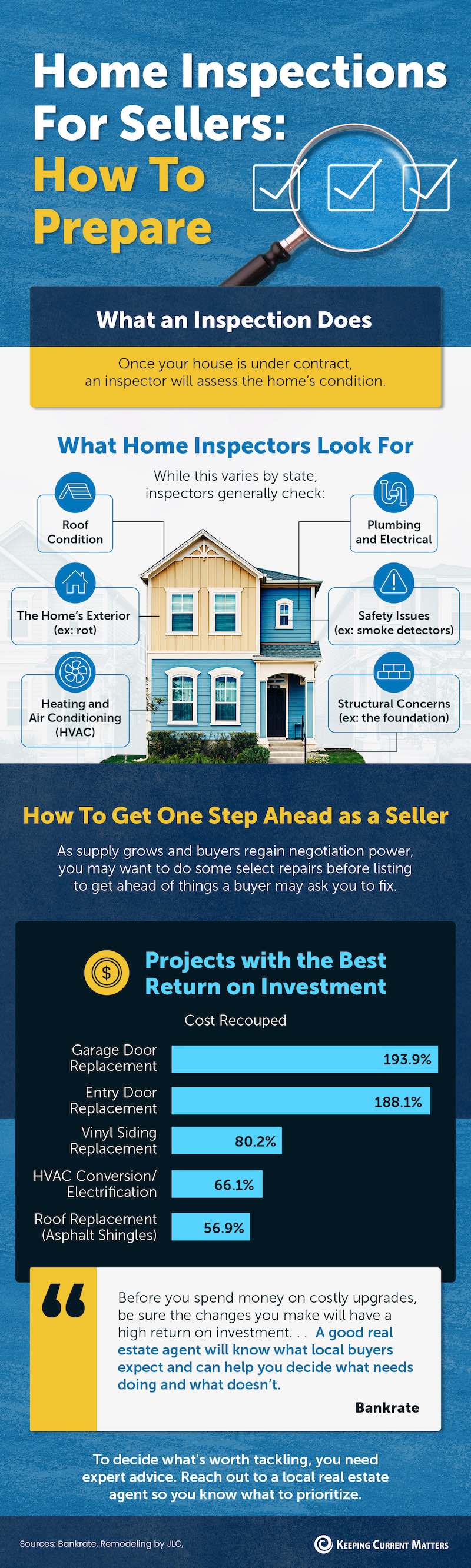
You may try to skip important repairs, thinking you can pass the task on to your buyer. But visible issues (even if they’re small) can turn off potential buyers and result in lower offers or demands for concessions. As Money Talks News says:
“Home shoppers like to turn on lights, flush toilets and run the water. If these basic things don’t work, they may assume you’ve skipped other maintenance. Homes that appear neglected aren’t likely to fetch top price.”
If you want to get your house ready to sell, the best place to turn to for advice is your agent. They’ll be able to do a walk-through with you and point out anything you’ll need to tackle before the photographer comes in.
3. Not Looking at Things Objectively
Buyers today are feeling the pinch of high home prices and mortgage rates. With affordability that tight, they may come in with an offer that’s lower than you’d want to see – especially if you didn’t stage, price, or market the house well.
It’s important you don’t take this personally. Getting overly emotional can put the sale at risk. As an article from Ramsey Solutions says:
“Remember, a buyer’s offer is not a reflection of their opinion of your home or your housekeeping abilities. . . The sale of your home is strictly a business transaction. If they start out with a low offer, don’t take it personally and get emotional. Instead, channel that energy toward negotiating. Work with your agent and make a counteroffer.”
4. Being Unwilling To Negotiate
The supply of homes for sale has grown. That means buyers have more options, and with that comes more negotiation power. As a seller, you may see more buyers getting an inspection, requesting repairs, or asking for help with closing costs today. You need to be prepared to have those conversations. As U.S. NewsReal Estate explains:
“If you’ve received an offer for your house that isn’t quite what you’d hoped it would be, expect to negotiate . . . the only way to come to a successful deal is to make sure the buyer also feels like he or she benefits . . . consider offering to cover some of the buyer’s closing costs or agree to a credit for a minor repair the inspector found.”
An agent will walk you through what levers you may want to pull based on your own goals, budget, and timeframe.
5. Not Using a Real Estate Agent
Notice anything? For each of these mistakes, partnering with an agent helps prevent them from happening in the first place. That makes trying to sell your house without an agent’s help the biggest mistake of all.
Real estate agents have experience and expertise in pricing, marketing, negotiating, and more. That knowledge streamlines the selling process and usually results in drumming up more interest and ultimately can get you a higher final price.
Bottom Line
If you want to avoid making mistakes like these, you need to work with a real estate agent.
A growing family was referred to me to quickly sell their existing home and help them find a new home – and I had ONE MONTH to do it before the new baby was due to arrive.
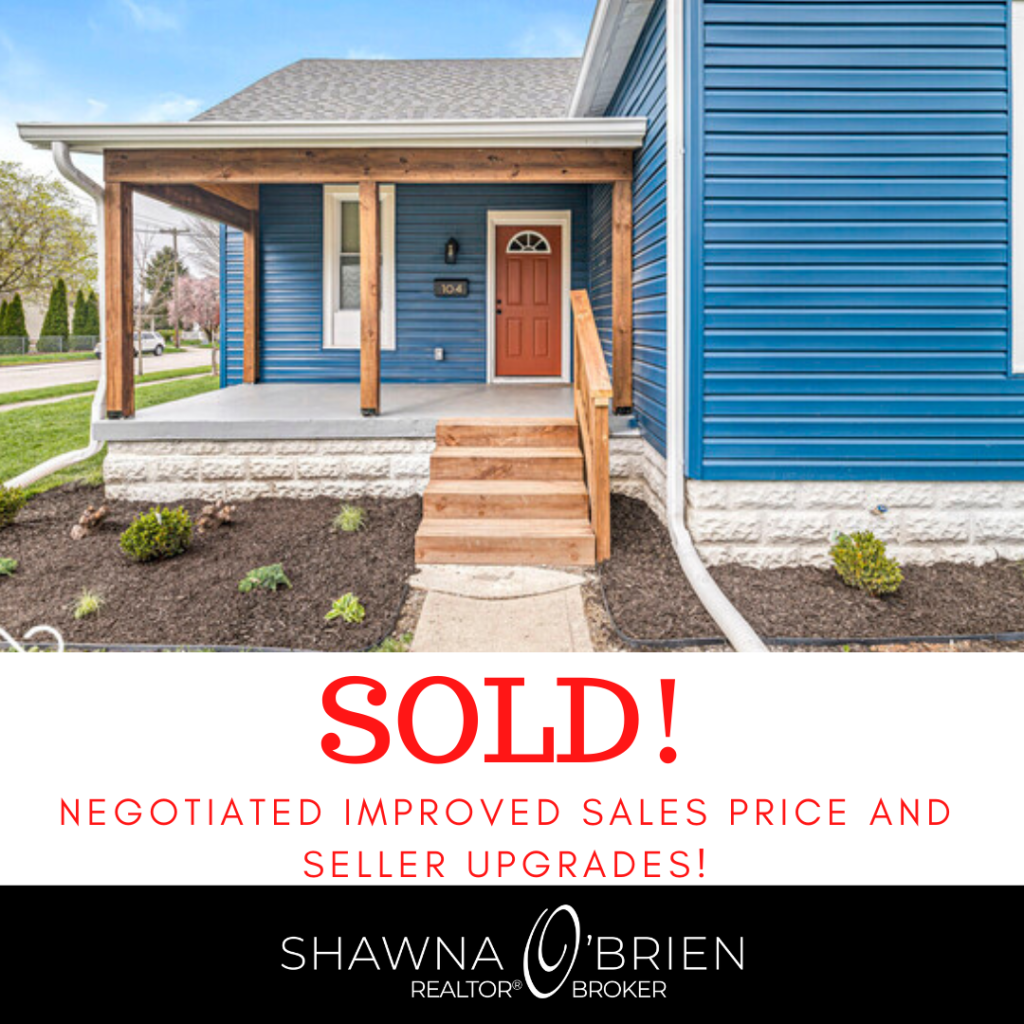
Whelp, good thing I work well under pressure and with a deadline. The stars aligned and this amazing home just blocks away from their existing home became available due to the 1st buyer changing his mind within days of putting their home on the market. We had to negotiate a bit on price and a few fixes but in the end, this home was everything they were looking for with location, space, condition and charm.
It’s a wonderful feeling when it all comes together but mostly I appreciate and value their trust in me to deliver results. Can’t wait to drop by after the baby is born to see how they have put their personal touch on this already beautiful home.
7/30/2024 – catherinejhickey Sold a Single Family home in 2024 in Geist, IN.
Local knowledge: ***** Process expertise: ***** Responsiveness: ***** Negotiation skills: *****
“Shawna guided us through every point of listing our home for sale, including researching the market in our area, setting up video and photos for the listing, having a brokers’ open house, and always being so responsive to our many questions throughout the process. Her expertise in all facets of real estate was extraordinary and we couldn’t have negotiated it all without her. She served as our advocate throughout the process and all her advice helped sell our home quickly. Loved working with her!”




 Indianapolis Area Homes for Sale