Smaller Homes, Bigger Opportunities: The Homebuilder Trend Buyers Love

Smaller Homes, Bigger Opportunities: The Homebuilder Trend Buyers Love

It’s no secret that affordability is tough with where mortgage rates and home prices are right now. And that may have you worried about how you’ll be able to buy a home. But, if you don’t need a ton of space, you may find you have more cost-effective options in an unexpected place: new home communities.

Builders Are Building Smaller Homes 

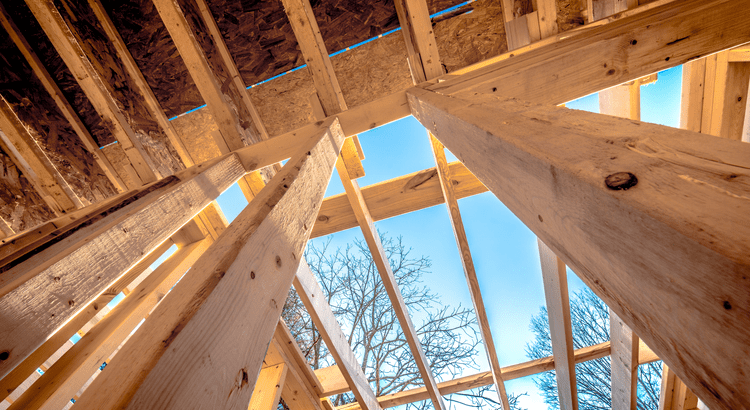
Since smaller homes typically come with smaller price tags, buyers have turned their attention to homes with less square footage — and builders have shifted their focus to capitalize on that demand. As U.S. News notes:

“The combination of higher home prices and mortgage rates has strained a lot of people’s budgets. And that’s something builders recognize. To this end, they may be leaning toward smaller spaces . . .That, in turn, can lead to savings for buyers.”

Data from the census shows the overall builder trend toward smaller, single-family homes has been over the last couple of years (see graph below):

As the graph shows, the average size of a brand-new home has dropped from 2,309 square feet in Q3 2022 to 2,171 square feet in Q3 2024. That’s a difference of 138 square feet.

At the end of the day, builders want to build what they know will sell. And the number one thing homebuyers are looking for right now is less expensive options to help offset today’s affordability challenges. As Multi-Housing News notes:

“The growing trend toward smaller homes is evident. These homes are less expensive to build and more attainable for many middle-income families, meeting both housing needs and modern lifestyle preferences.”

The Benefits of These Brand-New Homes

So, if you’re having trouble finding a home in your budget, it might be worth exploring newly built homes with a smaller footprint.

Not to mention, since newly built homes come with brand new everything, they have fewer maintenance needs and some of the latest features available, like energy-efficient appliances and HVAC. That’ll help you save on repair costs and your monthly utility bills. Sounds like an all-around win.

Bottom Line

Today’s builders are focusing their efforts on smaller homes at lower price points. That could give you more opportunity to find something that fits your budget. If you’re planning to buy soon, connect with a local real estate agent to explore what’s on the market in your area and get your homeownership goals over the finish line.

Shawna O’Brien
Residential Broker
KW Portfolio Collective, Geist Fishers
317-506-0039
ShawnaOBrienRealtor@gmail.com

One Homebuying Step You Don’t Want To Skip: Pre-Approval

One Homebuying Step You Don’t Want To Skip: Pre-Approval

There’s one essential step in the homebuying process you may not know a whole lot about and that’s pre-approval. Here’s a rundown of what it is and why it’s so important right now.

What Is Pre-Approval?

Pre-approval is like getting a green light from a lender. It lets you know how much they’re willing to let you borrow for a home. To determine that number, a lender looks at your financial history. According to Realtor.com, these are some of the documents a lender may ask you for during this process:

  • W-2s from the last two years
  • Tax returns from the last two years
  • Pay stubs from the last 30 days
  • Bank statements from the last 60 days
  • Investment account statements (if applicable)
  • Two years of history of where you’ve lived

The result? You’ll get a pre-approval letter showing what you can borrow. Keep in mind, that any changes in your finances can affect your pre-approval status. So, after you receive your letter, avoid switching jobs, applying for new credit cards or other loans, or taking out large sums of money from your savings.

How It Helps You Determine Your Borrowing Power

This year, home prices are expected to rise in most places and mortgage rates are still showing some volatility. So, since affordability is still tight, it’s a good idea to talk to a lender about your home loan options and how today’s changing mortgage rates will impact your future monthly payment.

The pre-approval process is the perfect time for that. Because it determines the maximum amount you can borrow, pre-approval also helps you figure out your budget. You should use this information to tailor your home search to what you’re actually comfortable with as far as a monthly mortgage payment. That way, you don’t fall in love with a house that’s out of your comfort zone.

How It Helps You Stand Out

Once you find a home you want to put an offer on, pre-approval has another big perk. It not only makes your offer stronger, it shows sellers you’ve already undergone a credit and financial check.

When a seller sees you as a serious buyer, they may be more attracted to your offer because it seems more likely to go through. As Greg McBride, Chief Financial Analyst at Bankrate, says:

“Preapproval carries more weight because it means lenders have actually done more than a cursory review of your credit and your finances, but have instead reviewed your pay stubs, tax returns and bank statements. A preapproval means you’ve cleared the hurdles necessary to be approved for a mortgage up to a certain dollar amount.”

Bottom Line

If you’re planning on buying a home, getting pre-approved for a mortgage should be one of the first things on your to-do list. Not only will it give you a better understanding of your borrowing power, it can put you in the best position possible to make a strong offer when you find a home you love. Connect with a trusted lender to learn more.

Shawna O’Brien
Residential Broker
KW Portfolio Collective, Geist Fishers
317-506-0039
ShawnaOBrienRealtor@gmail.com

Time in the Market Beats Timing the Market

Time in the Market Beats Timing the Market

Trying to decide whether it makes more sense to buy a home now or wait? There’s a lot to consider, from what’s happening in the market to your changing needs. But generally speaking, aiming to time the market isn’t a good strategy – there are too many factors at play for that to even be possible.

That’s why experts usually say time in the market is better than timing the market.

In other words, if you want to buy a home and you’re able to make the numbers work, doing it sooner rather than later is usually worth it. Bankrate explains why: 

“No matter which way the real estate market is leaning, though, buying now means you can start building equity immediately.” 

Here’s some data to break this down so you can really see the benefit of buying now versus later – if you’re able to. Each quarter, Fannie Mae releases the Home Price Expectations Survey. It asks over one hundred economists, real estate experts, and investment and market strategists what they forecast for home prices over the next five years. In the latest release, experts are projecting home prices will continue to rise through at least 2029 – just at a slower, more normal pace than they did over the past few years (see the graph below):

But what does that really mean for you? To give these numbers context, the graph below uses a typical home value to show how it could appreciate over the next few years using those HPES projections (see graph below). This is what you could start to earn in equity if you buy a home in early 2025. 

In this example, let’s say you go ahead and buy a $400,000 home this January. Based on the expert forecasts from the HPES, you could gain more than $83,000 in household wealth over the next five years. That’s not a small number. If you keep on renting, you’re losing out on this equity gain.

And while today’s market has its fair share of challenges, this is why buying is going to be worth it in the long run. If you want to buy a home, don’t give up. There are creative ways we can make your purchase possible. From looking at more affordable areas, to considering condos or townhomes, or even checking out down payment assistance programs, there are options to help you make it happen.

So sure, you could wait. But if you’re just waiting it out to perfectly time the market, this is what you’re missing out on. And that decision is up to you.

Bottom Line

If you’re torn between buying now or waiting, don’t forget that it’s time in the market, not timing the market that truly matters. Connect with an agent if you want to talk about what you need to do to get the process started today.

Shawna O’Brien
Residential Broker
KW Portfolio Collective, Geist Fishers
317-506-0039
ShawnaOBrienRealtor@gmail.com